
The Programme
The Certificate Programme (CP) addresses the growing demand for professional conflict management in higher education. Currently, no formal training exists in Europe for this complex role. The CP fills this gap by offering structured learning for both aspiring and experienced ombudspersons and professionals dealing with student complaints or stakeholder conflicts.

Participants gain a solid grounding in higher education governance and the legal and ethical frameworks of ombuds work (confidentiality, data protection). They develop essential transversal skills - such as strategic negotiation, communication, and self-reflection - and learn to apply techniques in alternative dispute resolution. The programme emphasizes peer learning, joint case analysis, and peer coaching, creating a strong network of practice.
It prepares participants to navigate the sensitive role of intermediaries, advocate for fair policies, and use conflict as a driver for institutional learning and change. The CP offers a unique pathway for mastering the challenges of ombuds work and contributing to the professionalization of this vital field.
Participants gain a solid grounding in higher education governance and the legal and ethical frameworks of ombuds work (confidentiality, data protection). They develop essential transversal skills - such as strategic negotiation, communication, and self-reflection - and learn to apply techniques in alternative dispute resolution. The programme emphasizes peer learning, joint case analysis, and peer coaching, creating a strong network of practice.
It prepares participants to navigate the sensitive role of intermediaries, advocate for fair policies, and use conflict as a driver for institutional learning and change. The CP offers a unique pathway for mastering the challenges of ombuds work and contributing to the professionalization of this vital field.


 ©Walter Skokanitsch
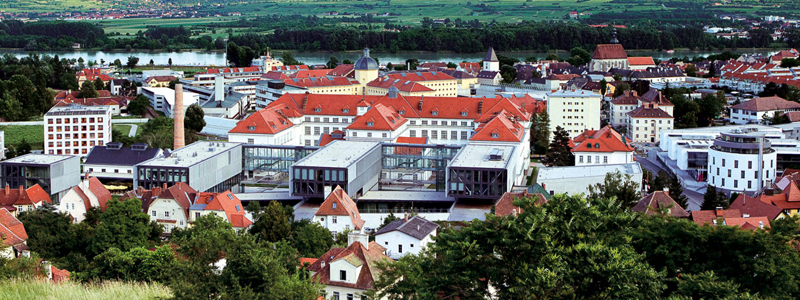
 ©Walter Skokanitsch